

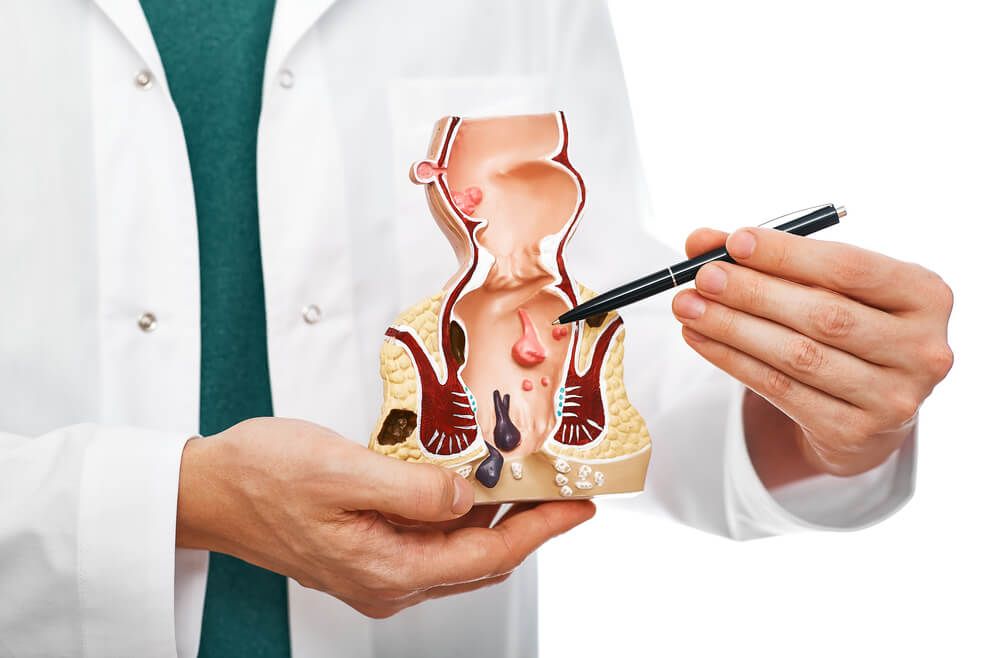
Hemorrhoids are a common health condition that affects millions of people worldwide. Despite being widespread, they are often surrounded by confusion, embarrassment, and misinformation. One of the most common questions people ask is: can a hemorrhoid pop? The short answer is yes, in certain situations, a hemorrhoid can rupture or burst, leading to bleeding and discomfort. However, the experience can be alarming, especially if you are not sure what is happening or whether you need medical attention.
Hemorrhoids are swollen veins located in the lower rectum or around the anus. They can develop due to increased pressure in the rectal area, often caused by chronic constipation, prolonged sitting, obesity, pregnancy, or frequent straining during bowel movements. While many hemorrhoids remain manageable with lifestyle changes and home remedies, some can become thrombosed, irritated, or damaged, increasing the likelihood of bleeding or rupture.
Understanding what happens when a hemorrhoid pops, why it occurs, and how to respond can help reduce anxiety and ensure proper treatment. This comprehensive guide explores everything you need to know about popped hemorrhoids, including symptoms, causes, treatment options, prevention strategies, and signs that indicate it is time to seek professional medical care.
What Is a Hemorrhoid and How Does It Develop?
To understand whether a hemorrhoid can pop, it is important first to understand what hemorrhoids are. Hemorrhoids are enlarged and swollen veins that develop in the lower rectum or around the anus. They are similar to varicose veins that appear in the legs. When excessive pressure is placed on these veins, they become inflamed and swollen, leading to discomfort and other symptoms.
There are two primary types of hemorrhoids: internal hemorrhoids and external hemorrhoids. Internal hemorrhoids develop inside the rectum and are often painless because they occur in an area with fewer pain-sensitive nerves. However, they may bleed during bowel movements. External hemorrhoids form under the skin around the anus and can be painful, itchy, and more noticeable. In some cases, blood can pool inside an external hemorrhoid, creating a thrombosed hemorrhoid, which is particularly painful and prone to complications.
Several factors contribute to hemorrhoid development. Chronic constipation and straining during bowel movements are among the most common causes. Sitting on the toilet for extended periods can also increase pressure on rectal veins. Other risk factors include obesity, pregnancy, aging, heavy lifting, and a low-fiber diet. Over time, repeated pressure weakens the supporting tissues around the veins, allowing hemorrhoids to form and enlarge.
Because hemorrhoids involve swollen blood vessels, they can become irritated or damaged. This is why some people wonder whether they can burst or pop, especially when they notice sudden bleeding or relief from pressure.
Can a Hemorrhoid Pop? Understanding the Reality
The answer to the question can a hemorrhoid pop is yes, but the situation is often more complex than the term “pop” suggests. Hemorrhoids do not typically explode dramatically. Instead, a hemorrhoid may rupture when the pressure inside the swollen vein becomes too great or when the tissue covering it is damaged.
External hemorrhoids are more likely to pop because they are located near the surface of the skin. A thrombosed external hemorrhoid, which contains a blood clot, may become so swollen that the overlying skin stretches and eventually breaks. When this happens, blood may be released, and some people experience a temporary reduction in pressure and pain.
Internal hemorrhoids can also bleed, but they are less likely to be described as popping. Instead, the delicate tissue covering them may become irritated and tear, resulting in bleeding during bowel movements.
While a popped hemorrhoid can sometimes provide temporary relief from pressure, it should not be viewed as a positive development. The rupture creates an open wound that may become irritated or infected. Furthermore, significant bleeding or ongoing symptoms may indicate a more serious condition that requires medical evaluation.
Many people panic when they see bright red blood in the toilet bowl or on toilet paper. Although hemorrhoids are a common cause of rectal bleeding, it is important not to assume that hemorrhoids are always responsible. Other gastrointestinal conditions can produce similar symptoms, making proper diagnosis essential when bleeding is persistent or severe.
Common Causes of a Popped Hemorrhoid
Several factors can increase the likelihood that a hemorrhoid will rupture. Understanding these causes can help individuals take preventive measures and reduce their risk of complications.
One of the leading causes is excessive straining during bowel movements. When a person strains repeatedly due to constipation, pressure within the hemorrhoidal veins rises dramatically. Over time, this pressure can weaken the vessel walls and surrounding tissues, making rupture more likely.
Chronic constipation is closely related to straining and is another significant contributor. Hard stools can scrape and irritate hemorrhoids as they pass through the anal canal. This mechanical irritation can damage the tissue and trigger bleeding.
Prolonged sitting, especially on the toilet, places additional pressure on rectal veins. Many people spend extended periods scrolling through their phones while using the bathroom, unintentionally increasing their risk of hemorrhoid complications.
Heavy lifting can also create sudden increases in abdominal pressure. Individuals who regularly lift weights or perform physically demanding jobs may experience increased stress on hemorrhoidal veins.
Pregnancy is another major risk factor. The growing uterus places pressure on pelvic veins, while hormonal changes can contribute to constipation. Together, these factors make hemorrhoids more common among pregnant women and increase the likelihood of irritation and bleeding.
Finally, trauma to the anal area can contribute to rupture. Excessive wiping, irritation from rough toilet paper, or other forms of physical stress may damage hemorrhoidal tissue and lead to bleeding.
Signs and Symptoms of a Popped Hemorrhoid
Recognizing the symptoms of a popped hemorrhoid can help you respond appropriately and determine whether medical attention is necessary. The most noticeable symptom is usually bleeding. Bright red blood may appear on toilet paper, in the toilet bowl, or on the surface of stool.
Many individuals experience a sudden release of pressure or discomfort. If the hemorrhoid was thrombosed and highly swollen before rupturing, the reduction in pressure may create a temporary sense of relief. However, this does not mean the problem has been fully resolved.
Pain levels can vary significantly. Some people notice less pain after the hemorrhoid ruptures, while others experience ongoing discomfort due to irritation of the surrounding tissue. The area may remain tender, swollen, or sensitive for several days.
Itching and irritation are also common. Blood and fluid from the ruptured hemorrhoid can irritate the skin around the anus, leading to increased discomfort. Proper hygiene is important during this period to prevent additional irritation.
In some cases, a person may notice a small lump near the anus that suddenly decreases in size following rupture. This change can occur when accumulated blood drains from the swollen hemorrhoid.
While mild bleeding and discomfort are relatively common, symptoms such as severe pain, excessive bleeding, fever, or signs of infection should never be ignored. These symptoms warrant prompt medical evaluation.
What Should You Do If a Hemorrhoid Pops?
If you suspect that a hemorrhoid has popped, staying calm and taking appropriate steps can help minimize discomfort and support healing. The first priority is to keep the area clean. Gently wash the area with warm water and avoid harsh soaps that may cause irritation.
Applying a clean gauze pad or soft tissue can help absorb any ongoing bleeding. In many cases, the bleeding will stop on its own within a relatively short period. However, if bleeding continues or becomes heavy, medical attention may be necessary.
Warm sitz baths are one of the most effective home remedies for hemorrhoid-related discomfort. Sitting in a few inches of warm water for 15 to 20 minutes several times a day can help reduce inflammation, improve circulation, and promote healing.
Avoid straining during bowel movements while the area heals. Increasing fiber intake through fruits, vegetables, whole grains, and fiber supplements can soften stool and reduce pressure on hemorrhoidal tissue. Drinking plenty of water is equally important.
Over-the-counter hemorrhoid creams and ointments may provide temporary symptom relief. However, it is important to follow product instructions carefully and consult a healthcare provider if symptoms persist.
Rest and avoiding heavy lifting can also support recovery. Excessive physical strain may worsen irritation and delay healing. Most minor hemorrhoid ruptures improve with conservative care, but ongoing symptoms should be evaluated by a medical professional.
Treatment Options for Popped Hemorrhoids
Treatment for a popped hemorrhoid depends on the severity of symptoms and the underlying condition. In many cases, conservative treatment is sufficient. This includes dietary modifications, hydration, sitz baths, and topical treatments designed to reduce inflammation and discomfort.
Healthcare providers often recommend increasing daily fiber intake to at least 25 to 35 grams. Fiber softens stool, reduces constipation, and minimizes strain during bowel movements. Fiber supplements can be particularly helpful for individuals who struggle to meet their dietary needs.
Topical medications containing hydrocortisone or witch hazel may help relieve itching and inflammation. Pain relievers such as acetaminophen can also be used when necessary. However, individuals should consult a healthcare provider regarding medication use, especially if they have other health conditions.
For larger or recurring hemorrhoids, medical procedures may be required. Rubber band ligation is a common office-based treatment in which a small rubber band is placed around the hemorrhoid, cutting off its blood supply. The hemorrhoid eventually shrinks and falls off.
Other treatment options include sclerotherapy, infrared coagulation, and hemorrhoidectomy. Surgical removal is generally reserved for severe cases that do not respond to less invasive treatments.
The choice of treatment depends on factors such as hemorrhoid size, symptom severity, frequency of recurrence, and overall health status. A healthcare professional can recommend the most appropriate approach for each individual case.
Potential Complications of a Popped Hemorrhoid
Although many popped hemorrhoids heal without major issues, complications can occasionally occur. One possible complication is persistent bleeding. While minor bleeding is expected in some cases, ongoing blood loss can lead to anemia if left untreated.
Infection is another concern. A ruptured hemorrhoid creates an opening in the skin or mucosal tissue, potentially allowing bacteria to enter. Signs of infection may include increasing pain, redness, swelling, fever, or drainage of pus.
Delayed healing can also occur, particularly in individuals with chronic constipation, diabetes, or weakened immune systems. Repeated irritation from hard stools may prevent proper recovery and contribute to ongoing symptoms.
Some people develop recurrent hemorrhoids even after a rupture has healed. If the underlying causes such as constipation, poor diet, or prolonged sitting are not addressed, new hemorrhoids may form over time.
Severe pain may indicate additional complications, such as thrombosis or another anorectal condition. Because several disorders can mimic hemorrhoid symptoms, medical evaluation is important when symptoms are unusual, severe, or persistent.
How to Prevent Hemorrhoids from Popping
Preventing hemorrhoid rupture begins with reducing pressure on the rectal veins and maintaining healthy bowel habits. One of the most effective preventive measures is increasing dietary fiber intake. Fruits, vegetables, legumes, and whole grains help create softer, bulkier stools that are easier to pass.
Hydration plays an equally important role. Drinking adequate amounts of water supports healthy digestion and helps prevent constipation. Many healthcare professionals recommend aiming for at least eight glasses of water daily, although individual needs may vary.
Regular physical activity promotes healthy bowel function and reduces the risk of constipation. Even moderate exercise such as walking can improve circulation and support digestive health.
Avoiding prolonged sitting, particularly on the toilet, is another valuable strategy. Individuals should use the bathroom when they feel the urge rather than delaying bowel movements, but they should also avoid spending unnecessary time sitting on the toilet.
Maintaining a healthy body weight can reduce pressure on pelvic and rectal veins. Obesity is a known risk factor for hemorrhoids, making weight management an important preventive measure for many people.
Good hygiene practices are also beneficial. Gentle cleaning and avoiding excessive wiping can reduce irritation and help protect sensitive tissue around the anus.
When Should You Seek Medical Help?
Although many hemorrhoid-related issues can be managed at home, certain symptoms require professional evaluation. Significant or persistent rectal bleeding should always be assessed by a healthcare provider. While hemorrhoids are a common cause of bleeding, other conditions such as anal fissures, inflammatory bowel disease, polyps, or colorectal cancer can produce similar symptoms.
Severe pain is another reason to seek medical attention. Intense discomfort may indicate a thrombosed hemorrhoid, infection, or another underlying condition requiring treatment.
If symptoms do not improve after several days of home care, a healthcare provider can determine whether additional interventions are necessary. Recurrent hemorrhoids may benefit from medical procedures that address the problem more effectively than conservative measures alone.
Fever, chills, pus drainage, or increasing redness around the anus may indicate infection and should be evaluated promptly. Early treatment can help prevent more serious complications.
Individuals with a family history of colorectal disease or those over a certain age may require additional screening when experiencing rectal bleeding. A healthcare professional can recommend appropriate diagnostic tests based on personal risk factors and symptoms.
Conclusion
So, can a hemorrhoid pop? Yes, a hemorrhoid can rupture or burst, particularly if it becomes thrombosed, excessively swollen, or irritated. While a popped hemorrhoid often results in bright red bleeding and may temporarily relieve pressure, it is not something that should be ignored. Proper hygiene, symptom management, and preventive care are essential for healing and reducing the risk of future problems.
Most cases can be managed successfully with conservative measures such as increased fiber intake, hydration, warm sitz baths, and avoiding straining during bowel movements. However, persistent bleeding, severe pain, signs of infection, or recurring symptoms should prompt medical evaluation.
By understanding the causes, symptoms, treatment options, and prevention strategies associated with popped hemorrhoids, individuals can make informed decisions about their health and seek appropriate care when necessary. Taking proactive steps to support digestive health and reduce pressure on rectal veins remains the most effective way to prevent hemorrhoids and their complications in the long term.