

Introduction to Ouji Fashion
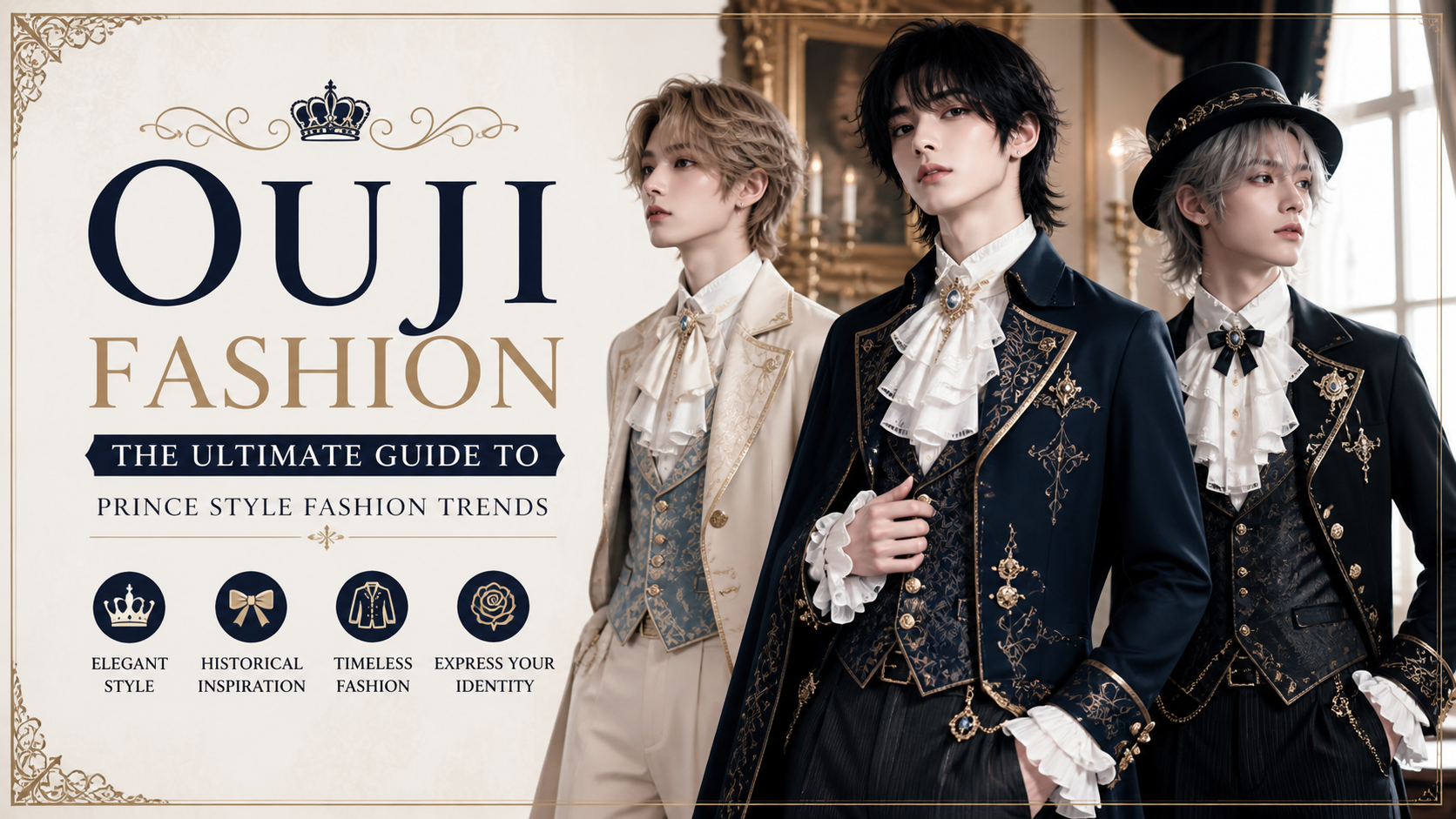
Ouji fashion, often referred to as “prince style,” is a unique and elegant subculture within alternative fashion that draws inspiration from European aristocratic menswear. The term “ouji” comes from the Japanese word for “prince,” and the style reflects a youthful, regal aesthetic that blends historical elements with modern creativity. Unlike mainstream fashion trends that come and go quickly, ouji fashion has cultivated a loyal following thanks to its timeless charm, theatrical flair, and strong connection to individuality.
At its core, ouji fashion emphasizes tailored silhouettes, structured garments, and intricate detailing. It is often associated with Victorian and Rococo influences, featuring items like knee-length trousers, lace-trimmed blouses, waistcoats, and decorative accessories. While traditionally seen as a counterpart to Lolita fashion, ouji stands on its own as a bold and expressive style that challenges gender norms and celebrates artistic expression. Whether worn casually or for special events, ouji fashion allows individuals to embody a princely persona that is both refined and imaginative.
The History and Origins of Ouji Fashion
The roots of ouji fashion can be traced back to Japan’s vibrant street fashion scene, particularly in areas like Harajuku during the late 20th century. As Lolita fashion gained popularity, a parallel style began to emerge for those who preferred a more masculine or androgynous aesthetic. This style eventually became known as ouji fashion, offering an alternative that retained the elegance and historical inspiration of Lolita while introducing a princely twist.
Ouji fashion draws heavily from European fashion of the 18th and 19th centuries, particularly the clothing worn by young noblemen. This includes elements such as breeches, tailcoats, cravats, and decorative buttons. Over time, Japanese designers reimagined these historical influences into wearable, modern pieces that maintained their ornate appeal. Brands specializing in alternative fashion played a crucial role in shaping the identity of ouji fashion, helping it evolve into a recognized and respected style within global fashion communities.
Key Elements of Ouji Fashion
Understanding ouji fashion requires familiarity with its signature components. One of the most defining features is the use of knee-length pants, often paired with high socks or stockings. These trousers are typically tailored and may include decorative details such as buttons, lace, or embroidery. Shirts and blouses are another essential element, often featuring ruffles, jabots, or high collars that add a touch of sophistication.
Layering is also a fundamental aspect of ouji fashion. Waistcoats, jackets, and coats are commonly worn to create a structured and polished look. Fabrics play a significant role, with materials like velvet, brocade, and cotton blends being popular choices. Accessories such as hats, gloves, and brooches help complete the outfit, adding depth and personality. Together, these elements create a cohesive aesthetic that is both regal and playful.
Differences Between Ouji Fashion and Lolita Fashion
Although ouji fashion is often compared to Lolita fashion, the two styles have distinct differences that set them apart. Lolita fashion typically focuses on a feminine silhouette, characterized by dresses, petticoats, and elaborate headwear. In contrast, ouji fashion leans toward a more masculine or androgynous look, emphasizing tailored garments and structured designs.
Another key difference lies in the overall vibe of each style. Lolita fashion often evokes a doll-like, whimsical appearance, while ouji fashion channels a princely or aristocratic persona. Despite these differences, both styles share a love for historical inspiration, attention to detail, and high-quality craftsmanship. Many enthusiasts appreciate both styles and may even incorporate elements of each into their wardrobe, creating unique hybrid looks.
Popular Ouji Fashion Outfits and Styles
Ouji fashion offers a wide range of outfit possibilities, allowing individuals to experiment with different themes and interpretations. A classic ouji outfit might include a white blouse with lace detailing, a fitted waistcoat, knee-length trousers, and tall socks, paired with leather shoes. This traditional look captures the essence of the style and serves as a great starting point for beginners.
More elaborate outfits may incorporate tailcoats, capes, or ornate accessories for a dramatic effect. Some people prefer a gothic-inspired version of ouji fashion, using darker color palettes like black, deep red, and navy, along with heavier fabrics such as velvet. Others opt for a lighter, more romantic aesthetic with pastel colors and delicate patterns. The versatility of ouji fashion makes it suitable for various occasions, from casual outings to themed events and photoshoots.
How to Style Ouji Fashion for Beginners
For those new to ouji fashion, starting can feel overwhelming due to the level of detail involved. However, building a basic outfit step by step can make the process more manageable. Begin with essential pieces such as a blouse and a pair of knee-length trousers. Choose neutral colors like black, white, or navy, which are easy to mix and match.
Next, add layers such as a vest or jacket to create structure. Pay attention to fit, as well-tailored garments are crucial for achieving the polished look associated with ouji fashion. Accessories should be introduced gradually, starting with simple items like a bow tie or brooch before experimenting with more elaborate pieces. Footwear is equally important, with classic options like loafers or boots complementing the overall outfit.
Confidence is key when wearing ouji fashion. The style is inherently expressive, so embracing its theatrical nature can enhance the overall appearance. Over time, beginners can expand their wardrobe and experiment with different combinations to develop their personal style.
Accessories That Define Ouji Fashion
Accessories play a vital role in elevating ouji fashion from simple clothing to a complete aesthetic. Hats are among the most iconic accessories, with styles such as berets, top hats, and mini hats adding a distinctive flair. Neckwear, including cravats, ties, and jabots, helps create a refined and aristocratic look.
Gloves, canes, and pocket watches are also popular choices, contributing to the vintage-inspired feel of the outfit. Jewelry, such as brooches and rings, can be used to add subtle details or make bold statements. Even small elements like socks and stockings are carefully chosen to complement the overall ensemble.
The key to accessorizing in ouji fashion is balance. While it is tempting to include many decorative elements, maintaining harmony within the outfit ensures that it remains elegant rather than overwhelming. Thoughtful selection and placement of accessories can significantly enhance the overall look.
Modern Trends in Ouji Fashion
In recent years, ouji fashion has continued to evolve, incorporating modern influences while staying true to its historical roots. Contemporary designers have introduced new silhouettes, fabrics, and color palettes, making the style more accessible and versatile. Streetwear elements, such as oversized jackets and casual footwear, are sometimes integrated into ouji outfits, creating a fusion of traditional and modern aesthetics.
Social media has also played a significant role in the growth of ouji fashion. Platforms like Instagram and TikTok have allowed enthusiasts to share their outfits, connect with others, and inspire new interpretations of the style. This global exchange of ideas has contributed to the diversification of ouji fashion, making it more inclusive and dynamic.
Sustainability is another emerging trend within the community. Many individuals are turning to second-hand clothing, DIY projects, and ethical brands to create their outfits. This approach not only reduces environmental impact but also encourages creativity and personalization.
Why Ouji Fashion Is Gaining Popularity
The growing popularity of ouji fashion can be attributed to several factors. One of the most significant is its emphasis on individuality and self-expression. In a world where fast fashion often promotes uniformity, ouji fashion offers a refreshing alternative that celebrates creativity and uniqueness.
The style’s connection to history and storytelling also appeals to many people. Wearing ouji fashion can feel like stepping into a different era, allowing individuals to embody a character or persona. This immersive aspect makes the style particularly appeal for those who enjoy cosplay, theater, or artistic expression.
Additionally, the increasing acceptance of gender-fluid fashion has contributed to the rise of ouji fashion. Its androgynous nature allows people of all genders to explore and express themselves without limitations. As society becomes more open to diverse forms of self-expression, styles like ouji fashion continue to gain recognition and appreciation.
Tips for Building Your Ouji Fashion Wardrobe
Creating an ouji fashion wardrobe requires careful planning and attention to detail. Start by investing in high-quality basics that can serve as the foundation for multiple outfits. Neutral-colored blouses, trousers, and vests are versatile pieces that can be styled in various ways.
Gradually expand your collection by adding statement items such as tailored jackets or unique accessories. Thrift stores and online marketplaces can be excellent resources for finding affordable pieces that fit the ouji aesthetic. Learning basic sewing skills can also be beneficial, allowing you to customize garments or create your own designs.
Organization is important when building a wardrobe. Keeping track of your pieces and experimenting with different combinations can help you make the most of your collection. Over time, you will develop a sense of what works best for your personal style, making it easier to create cohesive and visually appealing outfits.
Conclusion: Embracing the Elegance of Ouji Fashion
Ouji fashion is more than just a clothing style; it is a form of artistic expression that combines history, creativity, and individuality. From its origins in Japanese street fashion to its global influence today, ouji fashion has evolved into a dynamic and inspiring subculture. Its emphasis on tailored garments, intricate details, and imaginative styling sets it apart from mainstream trends, offering a unique way to express oneself.
Whether you are drawn to its aristocratic charm, its androgynous appeal, or its creative possibilities, ouji fashion provides endless opportunities for exploration. By understanding its key elements, experimenting with different styles, and embracing your own personality, you can create outfits that truly reflect your identity. As the popularity of ouji fashion continues to grow, it remains a testament to the power of fashion as a means of storytelling and self-expression.