

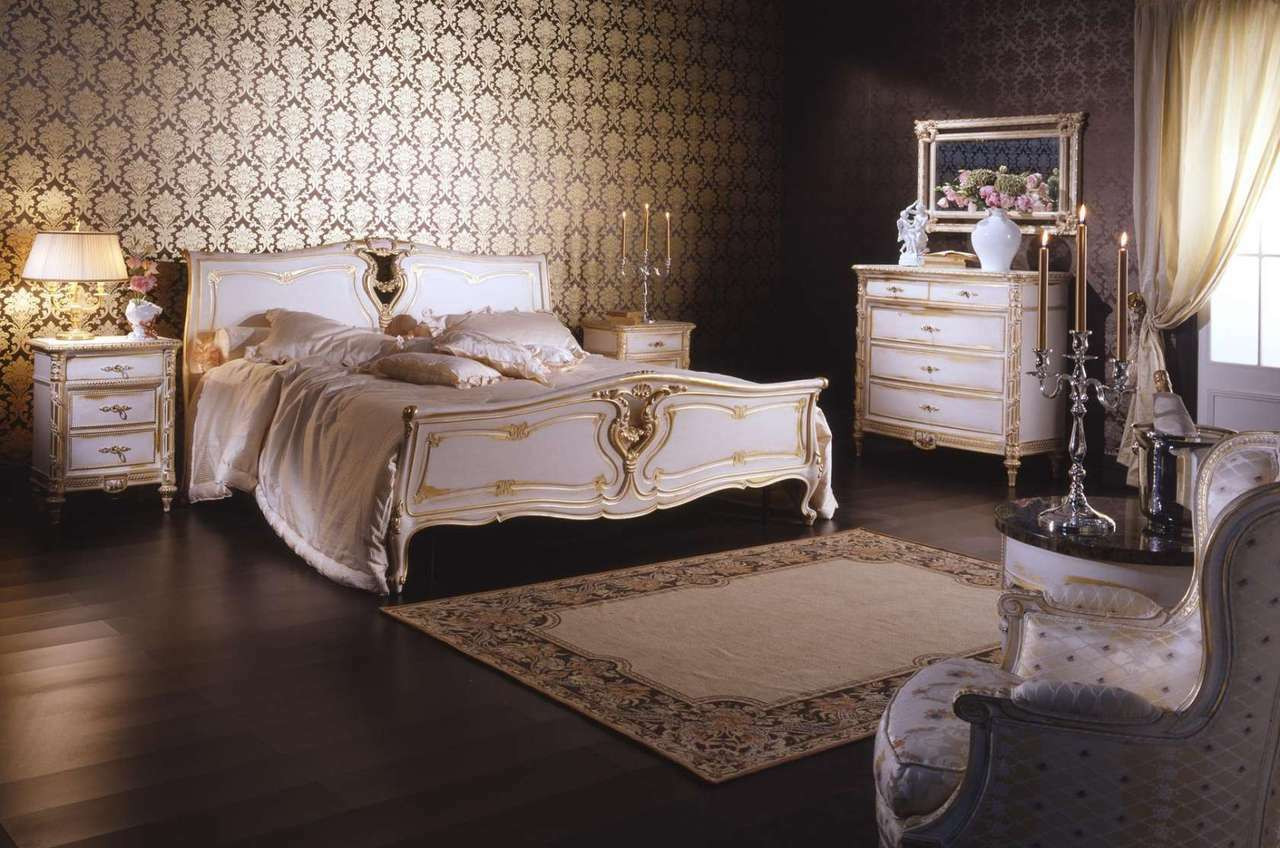
French Provincial furniture is a timeless design style that brings sophistication, warmth, and elegance into any living space. Inspired by the countryside homes of France, this furniture style combines graceful curves, detailed craftsmanship, and practical functionality. Homeowners who appreciate classic beauty often choose French Provincial furniture because it effortlessly creates a luxurious atmosphere without feeling overly formal.
In today’s world of constantly changing interior trends, French Provincial furniture continues to stand out because of its ability to adapt to both traditional and modern homes. From beautifully carved dining tables to elegant bedroom sets and cozy upholstered chairs, these pieces add character and charm to every room. The soft color palettes, antique-inspired finishes, and natural materials make this style a favorite among interior designers and homeowners alike.
If you’re looking to create a home that feels elegant, inviting, and timeless, French Provincial furniture may be the perfect choice. This comprehensive guide explores its history, features, decorating ideas, and tips for selecting the best pieces for your home.
The Rich History of French Provincial Furniture
The origins of French Provincial furniture date back to the 17th and 18th centuries in rural France. During this period, French royalty enjoyed extravagant furniture in lavish palaces, but people living in the provinces wanted similar beauty in their homes. Local craftsmen began creating furniture inspired by royal designs while using local materials and simpler construction methods.
Unlike the ornate furniture found in Paris, French Provincial pieces emphasized practicality alongside elegance. Artisans used strong woods such as oak, walnut, cherry, and beech to craft furniture that could withstand daily use while maintaining a sophisticated appearance. Over time, regional influences shaped the style into what we now recognize as French Provincial furniture.
Today, these classic designs continue to inspire modern interiors. Their enduring popularity is a testament to the craftsmanship and timeless appeal that define this unique furniture style.
Defining Features of French Provincial Furniture
One of the reasons French Provincial furniture remains popular is its distinctive appearance. The style is instantly recognizable thanks to its graceful curves, carved details, and soft finishes. Unlike modern furniture, which often features sharp lines and minimal decoration, French Provincial pieces embrace elegance and artistic craftsmanship.
Curved cabriole legs are among the most iconic features of this style. They create a sense of movement and sophistication that enhances tables, chairs, and dressers. Floral carvings, scrollwork, and decorative moldings add subtle beauty without making the furniture appear overly ornate.
Natural wood is another essential element. Oak and walnut are common choices, often finished in soft whites, creams, or distressed gray tones. These finishes give furniture a vintage appearance that adds warmth and character to a room.
Comfort is equally important. Upholstered chairs and sofas often feature linen or velvet fabrics in neutral shades, creating inviting spaces that are as comfortable as they are elegant.
Why French Provincial Furniture Is So Popular Today
In an era where design trends change rapidly, French Provincial furniture has managed to maintain its popularity for centuries. One reason is its versatility. It fits beautifully into traditional homes but also pairs surprisingly well with contemporary decor.
Homeowners appreciate furniture that offers both style and functionality. French Provincial pieces are not only visually appealing but also durable and practical. Their sturdy construction ensures longevity, making them worthwhile investments that can be passed down through generations.
The style also creates a welcoming atmosphere. Soft colors, elegant shapes, and natural materials make rooms feel cozy and refined at the same time. This balance between luxury and comfort is difficult to achieve with many other furniture styles.
Furthermore, the growing interest in vintage and classic interiors has renewed appreciation for French Provincial furniture. Many people seek furniture that tells a story and adds personality to their homes, making this timeless style more relevant than ever.
French Provincial Furniture for the Living Room
The living room is often the heart of the home, making it the ideal place to showcase French Provincial furniture. A beautifully upholstered sofa with carved wooden accents can instantly become the centerpiece of the room. Pair it with elegant coffee tables, side tables, and armchairs to create a cohesive and sophisticated design.
Neutral colors such as ivory, beige, pale gray, and soft blue are commonly used in French Provincial living rooms. These shades create a relaxing environment while allowing the furniture’s intricate details to stand out.
Accessories also play an important role. Ornate mirrors, crystal chandeliers, vintage clocks, and decorative vases enhance the room’s elegance. Layering textures through rugs, curtains, and cushions adds warmth and creates a cozy atmosphere.
Even in modern homes, French Provincial furniture can blend seamlessly with contemporary decor. Combining classic furniture with modern artwork or minimalist accessories creates a balanced look that feels stylish and timeless.
French Provincial Bedroom Furniture
French Provincial bedroom furniture is known for its romantic charm and serene atmosphere. Beds often feature upholstered headboards or intricately carved wooden frames that serve as stunning focal points. Paired with soft bedding and elegant accessories, they create bedrooms that feel luxurious and inviting.
Matching dressers and bedside tables help maintain a cohesive design. White-painted finishes with distressed details are especially popular because they add vintage appeal while keeping the room bright and airy.
Armoires are another signature piece of French Provincial bedrooms. These tall wardrobes provide ample storage while adding elegance and character to the space. Their carved details and graceful proportions make them both practical and decorative.
Soft lighting from chandeliers or bedside lamps completes the look, creating a warm and relaxing atmosphere perfect for rest and relaxation.
How to Decorate with French Provincial Furniture
Decorating with French Provincial furniture is all about balance. The furniture itself is elegant and detailed, so the surrounding decor should complement rather than compete with it.
Begin with a neutral color palette featuring shades of cream, white, beige, and soft gray. These colors create a calm backdrop that highlights the furniture’s craftsmanship.
Mixing old and new elements is another effective strategy. Pairing a vintage dresser with contemporary artwork or combining antique-inspired furniture with modern lighting creates a fresh and interesting look.
Mirrors are particularly important in French Provincial interiors. Large mirrors with decorative frames reflect light and make rooms appear more spacious. Fresh flowers, candles, and elegant textiles further enhance the room’s beauty.
The goal is to create a space that feels refined yet comfortable—a place where elegance and everyday living coexist naturally.
Conclusion
French Provincial furniture remains one of the most beloved interior design styles because it offers timeless elegance, exceptional craftsmanship, and unmatched versatility. Its graceful curves, soft colors, and vintage charm allow homeowners to create spaces that feel both luxurious and welcoming.
Whether you’re decorating a living room, bedroom, or dining area, French Provincial furniture provides endless opportunities to express your personal style. By investing in quality pieces and decorating thoughtfully, you can enjoy the beauty and sophistication of this classic furniture style for years to come.
If you’re searching for furniture that never goes out of style, French Provincial furniture is a choice that combines history, elegance, and practicality in the most beautiful way possible.