

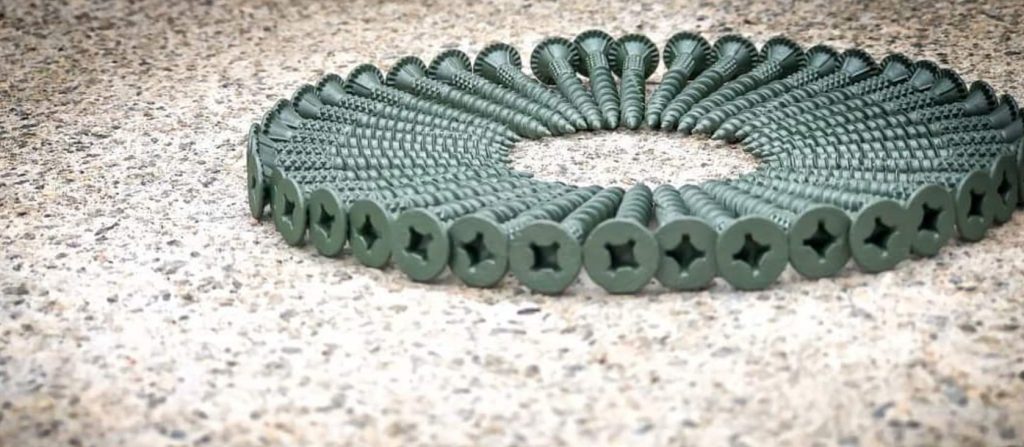
Cement board screws are one of the most important fastening components used in modern construction and remodeling projects. Whether you are a DIY enthusiast installing a bathroom backsplash or a professional contractor working on a large-scale commercial renovation, choosing the right cement board screws can make a significant difference in the durability, stability, and longevity of your work. These specialized screws are designed to securely fasten cement boards, fiber cement panels, and tile backer boards to wood or metal framing without compromising structural integrity.
Unlike standard drywall or wood screws, cement board screws feature corrosion-resistant coatings, unique thread designs, and self-drilling tips that allow them to penetrate dense materials efficiently. As construction standards continue to evolve, the demand for reliable fastening solutions has increased, making cement board screws a preferred choice among builders worldwide.
In this comprehensive guide, we will explore everything you need to know about cement board screws, including their features, applications, types, installation methods, and best practices for achieving professional results.
What Are Cement Board Screws?
Cement board screws are specially engineered fasteners designed for securing cement boards and other dense construction panels to framing structures. Cement boards are commonly used as underlayment for tile installations in kitchens, bathrooms, laundry rooms, and other moisture-prone environments. Because these boards are much denser and more abrasive than drywall or plywood, standard screws often fail to provide adequate holding power.
The design of cement board screws includes sharp cutting points, deep threads, and corrosion-resistant coatings that help them penetrate tough materials while maintaining a secure grip. Many models feature ribbed heads that countersink themselves into the board surface without causing damage or cracking. This design ensures a flush finish, which is essential when preparing surfaces for tile or stone installations.
These screws are available in various lengths and diameters to accommodate different board thicknesses and framing materials. Their specialized construction helps prevent rust, loosening, and structural failure, making them a critical component in any cement board installation.
Why Cement Board Screws Are Better Than Regular Screws
Many homeowners and inexperienced builders mistakenly believe that any screw can be used to install cement boards. While regular wood or drywall screws may appear similar, they lack the features necessary to withstand the unique demands of cement board applications.
Drywall screws, for example, are brittle and prone to breaking under pressure. They also lack corrosion resistance, which can lead to rust and eventual failure when exposed to moisture. Wood screws may provide better strength but often struggle to penetrate dense cement boards efficiently.
Cement board screws are specifically designed to address these challenges. Their corrosion-resistant coatings protect against moisture damage, while their aggressive threads ensure superior holding power. Additionally, self-drilling points reduce the risk of cracking or splitting the board during installation.
Using the correct fasteners not only improves project durability but also helps comply with manufacturer recommendations and building codes. In many cases, warranty coverage for cement board products may require the use of approved cement board screws.
Key Features of High-Quality Cement Board Screws
Understanding the characteristics of quality cement board screws can help you make informed purchasing decisions. Several important features distinguish premium fasteners from lower-quality alternatives.
One of the most critical features is corrosion resistance. Since cement boards are often used in wet environments, screws must withstand prolonged exposure to moisture. Many manufacturers use ceramic coatings, zinc plating, or polymer finishes to protect against rust.
Thread design is another essential factor. Deep, aggressive threads create stronger holding power by gripping the framing material more effectively. Some screws feature Hi-Lo thread patterns that improve installation speed and reduce stripping.
Self-drilling or self-tapping tips are also valuable because they eliminate the need for pre-drilling in many applications. These tips cut through cement board surfaces efficiently while minimizing dust and material damage.
Additionally, ribbed countersinking heads help screws sit flush with the board surface, creating a smooth foundation for tile adhesive and finishing materials. This feature contributes to a more professional and aesthetically pleasing result.
Different Types of Cement Board Screws
The market offers several types of cement board screws, each designed for specific applications and framing materials. Choosing the correct type is essential for optimal performance.
Cement Board Screws for Wood Studs
These screws are designed to penetrate wood framing efficiently. They typically feature coarse threads that provide exceptional grip within wooden structures. They are commonly used in residential bathroom and kitchen renovations.
Cement Board Screws for Metal Studs
Metal stud screws feature finer threads and sharper drilling points to cut through steel framing effectively. They are frequently used in commercial construction and modern residential projects that utilize metal framing systems.
Corrosion-Resistant Cement Board Screws
These fasteners include specialized coatings that protect against moisture, humidity, and chemical exposure. They are particularly suitable for bathrooms, shower enclosures, and outdoor installations.
Self-Drilling Cement Board Screws
Self-drilling varieties simplify installation by eliminating pre-drilling requirements. Their cutting tips penetrate both the board and framing material quickly, improving efficiency on large projects.
Understanding these categories allows builders to select the most appropriate fastener for their specific construction needs.
Common Applications of Cement Board Screws
Cement board screws are used across a wide range of construction and remodeling projects. Their versatility makes them indispensable in both residential and commercial settings.
One of the most common applications is tile backer board installation. Before ceramic, porcelain, or natural stone tiles are installed, cement boards provide a stable and moisture-resistant substrate. Cement board screws secure these panels firmly to framing structures.
Bathrooms represent another major application. Shower walls, tub surrounds, and bathroom floors often require cement board installations to resist water damage. Proper fastening ensures long-term stability and prevents movement beneath tile surfaces.
Kitchen renovations also frequently involve cement board screws, especially when installing backsplashes and tiled flooring. Outdoor projects such as exterior cladding and fiber cement siding installations may also require specialized cement board fasteners.
Commercial buildings, hospitals, schools, and office complexes rely on cement board screws for numerous structural and finishing applications. Their strength and reliability make them suitable for projects of all sizes.
How to Choose the Right Cement Board Screws
Selecting the correct cement board screws involves considering several factors. Choosing the wrong fastener can lead to installation problems, reduced durability, and costly repairs.
The first consideration is board thickness. Thicker cement boards require longer screws to achieve adequate penetration into the framing material. As a general rule, screws should penetrate framing by at least three-quarters of an inch.
Framing material also plays a significant role. Wood studs require coarse-thread screws, while metal studs need fine-thread alternatives designed for steel penetration.
Environmental conditions should not be overlooked. High-moisture environments demand corrosion-resistant coatings to prevent rust and degradation over time.
Project scale may influence your purchasing decision as well. Large commercial installations often benefit from premium self-drilling screws that improve installation speed and reduce labor costs.
Finally, always consult manufacturer guidelines for specific fastening requirements. Following recommended screw types and spacing patterns helps ensure code compliance and optimal performance.
Step-by-Step Guide to Installing Cement Board Screws
Proper installation is crucial for maximizing the effectiveness of cement board screws. Even the highest-quality fasteners can underperform if installed incorrectly.
Begin by positioning the cement board against the framing structure. Ensure the board is properly aligned and supported before fastening begins.
Start driving screws from the center of the board and work outward. This approach minimizes stress and helps maintain a flat surface. Space screws according to manufacturer recommendations, typically every eight inches on center.
Keep screws approximately three-quarters of an inch away from board edges to prevent cracking. Drive each screw until the head sits flush with the surface without breaking through the face of the board.
Avoid overdriving screws, as this can weaken holding power and damage the board. A properly installed screw should be flush but not deeply recessed.
Continue fastening until all edges and field areas are securely attached. After installation, inspect the board for loose areas or improperly seated screws before proceeding with tile or finishing materials.
Common Mistakes to Avoid When Using Cement Board Screws
Even experienced builders occasionally make mistakes during cement board installations. Recognizing these common errors can help ensure successful results.
One frequent mistake is using drywall screws instead of cement board screws. While drywall screws may seem convenient, they lack the strength and corrosion resistance required for cement board applications.
Improper screw spacing is another issue. Installing too few screws can result in board movement and eventual tile failure. Conversely, excessive fastening may damage the board and waste materials.
Overdriving screws is particularly problematic. When screw heads penetrate too deeply into the board surface, holding power is reduced and structural integrity may be compromised.
Failing to account for environmental conditions can also create long-term problems. Non-coated screws may rust when exposed to moisture, leading to deterioration and potential project failure.
Lastly, neglecting manufacturer instructions often results in installation issues that could have been easily avoided. Always follow recommended guidelines for fastening patterns and screw selection.
Benefits of Using Cement Board Screws in Construction Projects
The advantages of cement board screws extend far beyond simple fastening. These specialized fasteners contribute significantly to overall project quality and longevity.
One major benefit is superior holding power. Their aggressive thread designs create strong mechanical connections that resist movement and vibration. This stability is essential for tile installations, where even minor substrate movement can cause cracking.
Corrosion resistance provides another important advantage. High-quality coatings protect against moisture-related damage, ensuring long-term durability in wet environments.
Installation efficiency is also improved through self-drilling designs that reduce labor time and eliminate unnecessary pre-drilling. Contractors can complete projects faster while maintaining professional standards.
Additionally, cement board screws help ensure compliance with industry best practices and manufacturer requirements. This reduces liability concerns and supports warranty eligibility.
The combination of strength, reliability, and longevity makes cement board screws a worthwhile investment for any construction or remodeling project.
Best Practices for Long-Term Performance
Achieving maximum performance from cement board screws requires more than simply purchasing quality products. Following industry best practices can significantly improve project outcomes.
Store screws in a dry environment before use to prevent premature corrosion. Even coated screws benefit from proper storage conditions.
Use appropriate tools during installation. Variable-speed drills with adjustable clutch settings help prevent overdriving and ensure consistent results.
Inspect framing materials before installation. Damaged or deteriorated studs may compromise fastening effectiveness regardless of screw quality.
Maintain proper spacing and follow manufacturer guidelines carefully. Consistent fastening patterns distribute loads evenly and improve structural stability.
When working in extremely wet environments, consider premium corrosion-resistant fasteners designed specifically for high-moisture applications. These products provide enhanced protection and extended service life.
Regular inspections during construction can identify potential issues early, allowing corrections before tile or finish materials are installed.
Conclusion
Cement board screws are a vital component in both DIY and professional construction projects. Their specialized design provides the strength, corrosion resistance, and holding power necessary for securing cement boards in demanding environments. Whether you are installing tile backer boards in a residential bathroom or completing a large commercial renovation, using the correct fasteners can significantly impact project success.
From understanding screw types and applications to following proper installation techniques, builders who invest time in selecting and using quality cement board screws will enjoy better durability, improved performance, and longer-lasting results. By avoiding common mistakes and adhering to manufacturer recommendations, you can ensure that your construction projects remain strong, stable, and reliable for years to come.
With their proven effectiveness and versatility, cement board screws continue to be the preferred fastening solution for modern construction professionals and dedicated DIY enthusiasts alike.
Fashonix.com