

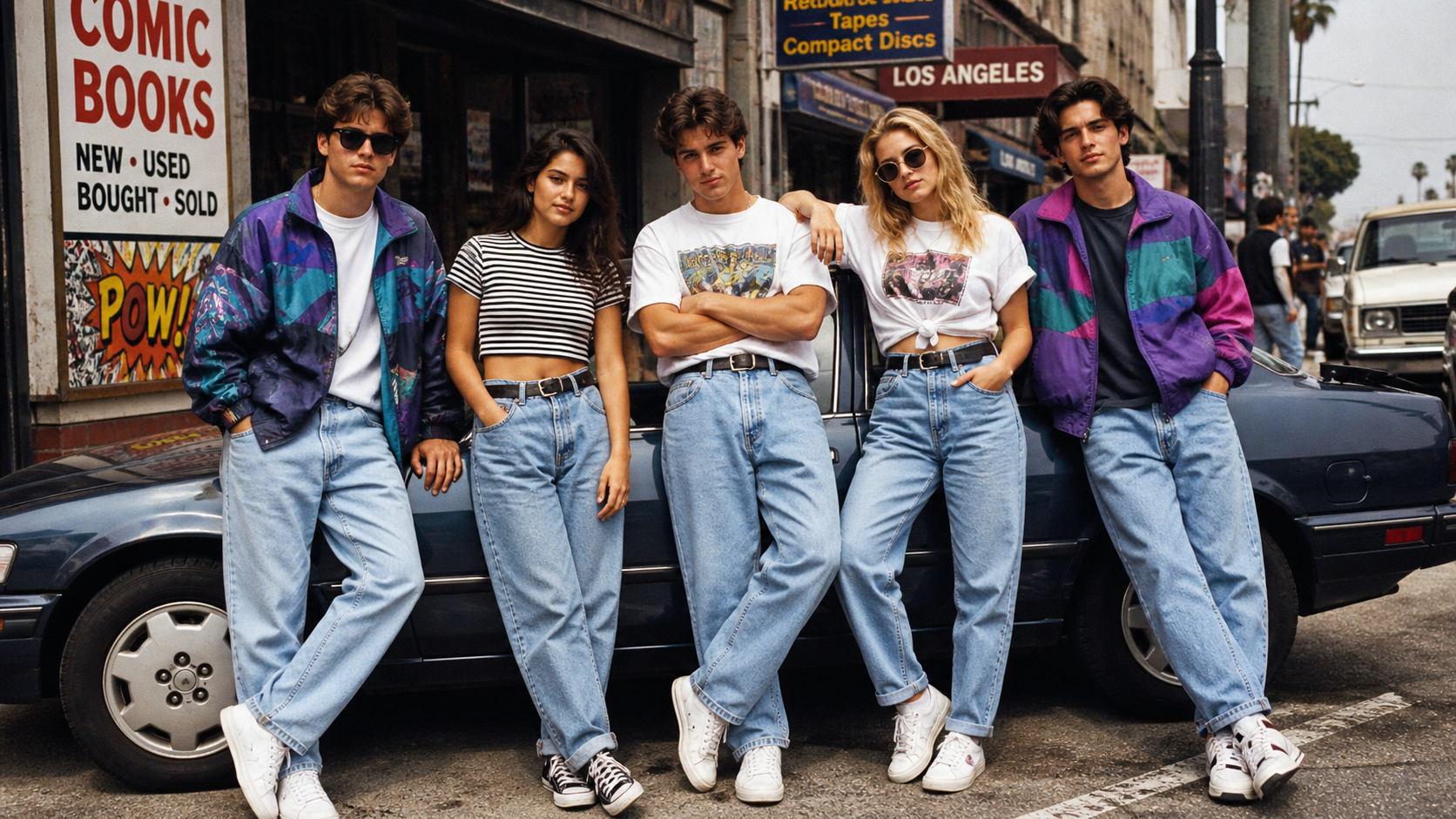
The 1990s were more than just a decade—they were a cultural reset that reshaped music, media, and most importantly, personal style. 90s fashion remains one of the most influential eras in modern fashion history, inspiring designers, influencers, and everyday wardrobes even today. From rebellious grunge aesthetics to sleek minimalist silhouettes, the decade offered a wide spectrum of trends that reflected individuality, youth culture, and a shift away from the excess of the 1980s.
In this in-depth guide, we’ll explore the most iconic 90s fashion trends, how they emerged, why they mattered, and how they continue to shape style in 2026.
The Rise of Grunge Fashion
One of the most defining elements of 90s fashion was the emergence of grunge style. Originating from the underground music scene in Seattle, grunge was less about looking polished and more about embracing a raw, anti-fashion attitude. This trend was heavily influenced by rock bands and quickly spread among youth who wanted to reject mainstream ideals.
Grunge fashion included oversized flannel shirts, ripped jeans, combat boots, and layered outfits that looked intentionally uncoordinated. Neutral tones like grey, brown, and dark green dominated the palette. What made this trend powerful was its authenticity—it wasn’t created by designers but by everyday people expressing rebellion. Ironically, high-end designers eventually adopted grunge, bringing it into the mainstream and turning a counterculture movement into a global fashion statement.
Minimalism: Less Was More
While grunge thrived on chaos, another side of 90s fashion embraced simplicity. Minimalism became a major trend, characterized by clean lines, neutral colors, and understated elegance. This style reflected a growing desire for practicality and sophistication.
Slip dresses, plain white t-shirts, tailored trousers, and monochrome outfits became staples. The focus shifted from bold statements to subtle details and high-quality fabrics. Minimalist fashion was versatile and timeless, making it one of the few trends from the 90s that seamlessly fits into modern wardrobes today. Its influence can be seen in contemporary capsule wardrobes and sustainable fashion movements.
Baggy Jeans and Oversized Silhouettes
Comfort played a huge role in shaping 90s fashion, and nothing represents that better than baggy jeans and oversized clothing. Tight-fitting outfits of the 80s were replaced with relaxed, loose silhouettes that allowed freedom of movement and self-expression.
Baggy denim jeans, oversized hoodies, and large graphic t-shirts became everyday wear, especially among teenagers and young adults. This trend was heavily influenced by hip-hop culture, which emphasized individuality and confidence. Oversized clothing wasn’t just about comfort—it was a statement against traditional fashion norms and body-conscious styles.
Today, oversized fashion has made a strong comeback, proving that the relaxed aesthetic of the 90s still resonates with modern audiences.
Denim Everything
Denim was everywhere in 90s fashion, and it wasn’t limited to just jeans. Denim jackets, skirts, overalls, and even matching denim-on-denim outfits (often called the “Canadian tuxedo”) became extremely popular.
What made denim so appealing was its versatility and durability. People could dress it up or down depending on the occasion. Light-wash denim was especially trendy, giving outfits a casual and youthful vibe. Distressed and acid-washed styles added texture and personality to everyday looks.
The love for denim has never truly faded, but its roots in the 90s gave it a cultural significance that still influences how it’s worn today.
Crop Tops and High-Waisted Bottoms
Another standout trend in 90s fashion was the pairing of crop tops with high-waisted jeans, skirts, or shorts. This combination created a balanced silhouette that was both stylish and flattering.
Crop tops came in various styles, from fitted tanks to long-sleeve versions, and were often worn with chokers or layered jewelry. High-waisted bottoms provided comfort while accentuating the waistline, making the outfit both practical and fashionable.
This trend has made a massive comeback in recent years, especially among younger generations who appreciate its retro appeal and versatility.
Athleisure and Sportswear Influence
The 90s marked the beginning of what we now call athleisure. 90s fashion embraced sportswear as everyday clothing, blurring the line between athletic and casual wear.
Tracksuits, windbreakers, sneakers, and baseball caps became essential wardrobe items. Bright colors, bold logos, and matching sets were especially popular. This trend was influenced by athletes, musicians, and street culture, making it both functional and stylish.
Today’s athleisure trend owes a lot to the 90s, as comfort-driven fashion continues to dominate global style preferences.
Accessories That Made a Statement
No discussion of 90s fashion is complete without mentioning its iconic accessories. These small details played a big role in defining the overall look of the decade.
Chokers, scrunchies, bucket hats, and tiny sunglasses were among the most popular accessories. Backpacks replaced traditional handbags, and platform shoes added height and attitude to outfits. Accessories were often bold and playful, allowing individuals to personalize their style.
These items have made a strong comeback in recent years, proving that the charm of 90s accessories is timeless.
The Influence of Pop Culture
Pop culture had a massive impact on 90s fashion, shaping trends and influencing what people wore. Movies, TV shows, and music icons played a key role in popularizing certain styles.
Teen dramas and sitcoms showcased everyday fashion that audiences could relate to, while music videos introduced bold and experimental looks. Celebrities became style icons, and their outfits were often replicated by fans around the world.
This connection between entertainment and fashion continues today, but the 90s set the foundation for how media influences style on a global scale.
Gender-Neutral and Androgynous Styles
The 1990s were also a time of breaking boundaries in fashion. 90s fashion embraced gender-neutral and androgynous styles, allowing people to express themselves beyond traditional norms.
Unisex clothing, relaxed fits, and simple designs became popular among both men and women. This shift reflected a broader cultural movement toward inclusivity and self-expression. Fashion became less about fitting into categories and more about personal identity.
Today, gender-neutral fashion is more relevant than ever, and its roots can be traced back to the progressive mindset of the 90s.
Why 90s Fashion Still Matters Today
The lasting appeal of 90s fashion lies in its diversity and authenticity. Unlike other decades that focused on specific aesthetics, the 90s offered something for everyone—from edgy grunge to sleek minimalism.
Modern fashion continues to revisit and reinterpret 90s trends, blending them with contemporary elements to create fresh styles. Social media platforms have also played a role in reviving these trends, introducing them to a new generation.
More importantly, the 90s emphasized individuality and comfort, values that remain central to fashion today. Whether it’s oversized clothing, minimalist outfits, or nostalgic accessories, the influence of the 90s is impossible to ignore.
Conclusion
90s fashion was a powerful reflection of a generation that valued self-expression, comfort, and cultural diversity. Its trends were shaped by music, media, and societal changes, making it one of the most dynamic decades in fashion history.
From grunge and minimalism to denim overload and bold accessories, the styles of the 90s continue to inspire and evolve. As we move further into the future, one thing is clear: the spirit of 90s fashion is here to stay.
If you’re looking to upgrade your wardrobe, taking inspiration from the 90s is not just a nostalgic choice—it’s a timeless one.