

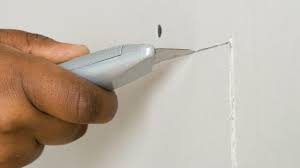
A drywall knife is one of the most essential hand tools in construction and home renovation work. Whether you are a professional contractor working on large-scale commercial projects or a DIY homeowner repairing walls at home, the drywall knife plays a crucial role in achieving smooth, clean, and professional-looking surfaces. It is primarily used for applying joint compound (also called “mud”), taping seams between drywall sheets, filling cracks, and finishing surfaces before painting. Choosing the right drywall knife can significantly affect the quality of your work, the speed of application, and the overall finish of your walls.
In this article, we will explore everything you need to know about drywall knives, including types, sizes, materials, usage techniques, buying tips, and maintenance. This comprehensive guide is designed to help both beginners and professionals make informed decisions and improve their drywall finishing results.
What Is a Drywall Knife and Why It Matters in Wall Finishing
A drywall knife is a flat, flexible blade tool designed specifically for spreading and smoothing joint compound over drywall surfaces. Unlike ordinary putty knives, drywall knives are built for covering larger areas with precision and consistency. They come in various widths, typically ranging from 4 inches to 14 inches or more, depending on the stage of finishing work.
The importance of a drywall knife lies in its ability to create a seamless wall surface. When drywall sheets are installed, visible joints, screws, and imperfections are unavoidable. A drywall knife helps conceal these flaws by evenly spreading mud over the surface and feathering the edges to blend with the wall. This step is critical because even minor imperfections become visible after painting.
For professionals, the drywall knife is not just a tool—it is an extension of skill and craftsmanship. For DIY users, it is the difference between a rough patch job and a smooth, paint-ready wall.
Types of Drywall Knives and Their Specific Uses
Drywall knives come in several types, each designed for a specific stage of the finishing process. Understanding these types helps you choose the right tool for the right task.
The most common type is the taping knife, usually 5 to 6 inches wide. It is used for embedding drywall tape into wet joint compound and covering seams. This knife is flexible, allowing it to press tape firmly while spreading mud evenly.
Next is the finishing knife, which typically ranges from 8 to 12 inches. This knife is used for second and third coats of compound. Its wider blade allows for feathering edges and smoothing out larger areas, reducing visible transitions between patched and original surfaces.
Another type is the corner knife, designed specifically for inside corners. It has a V-shaped or angled blade that helps apply compound evenly into tight corner spaces where two walls meet.
There is also the trowel-style drywall knife, often used by professionals for large surface areas. It is wider and sometimes rectangular, allowing for very smooth, consistent finishing with fewer passes.
Each type serves a different purpose, and professionals often use multiple knives in a single project to achieve the best results.
Common Drywall Knife Sizes and When to Use Them
Drywall knives are categorized by size, and each size is suited for different stages of wall finishing. Choosing the correct size is essential for achieving a smooth surface without unnecessary effort.
A 4-inch drywall knife is typically used for small patch jobs, filling nail holes, and applying compound in tight areas. It is easy to control but not suitable for large surfaces.
A 6-inch knife is commonly used for taping joints and initial coats of mud. It provides a balance between control and coverage, making it ideal for beginners and professionals alike.
The 8-inch knife is used for intermediate smoothing. It helps feather edges and blend compound into surrounding surfaces.
A 10-inch drywall knife is considered a finishing tool. It is used for second and third coats to create a smooth transition between patched and unpatched areas.
Finally, a 12-inch or wider knife is used for final finishing work. It is preferred by professionals for achieving near-perfect, paint-ready surfaces with minimal sanding.
Understanding size selection helps reduce sanding time and improves efficiency, especially on large wall surfaces.
Materials and Build Quality of a Good Drywall Knife
The performance of a drywall knife depends heavily on the materials used in its construction. High-quality drywall knives are typically made from stainless steel or carbon steel blades. Stainless steel is resistant to rust, easy to clean, and ideal for long-term use. Carbon steel, on the other hand, offers excellent flexibility and sharpness but requires more maintenance to prevent corrosion.
The handle material is also important. Common handle materials include plastic, rubber, and wood. Rubberized ergonomic handles are preferred by professionals because they provide a comfortable grip and reduce hand fatigue during long working hours.
Flexibility is another critical factor. A good drywall knife should have just the right amount of blade flex. Too stiff, and it will not spread compound smoothly; too flexible, and it may leave uneven surfaces. High-quality brands carefully engineer blade thickness to balance control and smooth application.
Investing in a well-built drywall knife not only improves finish quality but also reduces long-term replacement costs.
How to Properly Use a Drywall Knife for Best Results
Using a drywall knife correctly is just as important as choosing the right one. Proper technique ensures smooth finishes and reduces wasted material and time.
When applying joint compound, always load a moderate amount onto the blade. Holding the knife at a slight angle (around 30 degrees) allows the compound to spread evenly across the surface. Press too hard, and you risk removing too much material; press too lightly, and the compound will not adhere properly.
For taping, apply the compound over the seam first, then press the tape into it using the knife. Smooth outward from the center to remove air bubbles. For finishing coats, use long, even strokes to feather the edges into the wall.
It is also important to clean the knife regularly during use. Dried compound buildup can create streaks and imperfections in the finish. Professionals often keep a bucket of water and sponge nearby for quick cleaning.
With practice, using a drywall knife becomes an efficient and almost effortless process, allowing even beginners to achieve professional-looking results.
Drywall Knife vs Putty Knife: Understanding the Difference
Many beginners confuse drywall knives with putty knives, but they are designed for different purposes.
A putty knife is generally smaller and stiffer, used for scraping, filling small holes, and applying putty or caulk. It is not designed for covering large surfaces or achieving smooth wall finishes.
A drywall knife, on the other hand, is wider, more flexible, and specifically designed for applying joint compound over large wall areas. It allows for feathering edges and creating seamless transitions between drywall panels.
Using a putty knife for drywall finishing can result in uneven surfaces and increased sanding work. Similarly, using a drywall knife for heavy scraping tasks may damage the blade or reduce efficiency.
Understanding this difference ensures that you select the right tool for the job, improving both quality and productivity.
Tips for Choosing the Best Drywall Knife for Your Project
Selecting the right drywall knife depends on the type of project, your skill level, and your budget. For beginners, it is best to start with a basic set that includes 4-inch, 6-inch, and 10-inch knives. This range covers most household repair and renovation needs.
Professionals may prefer premium stainless steel sets with ergonomic handles and flexible blades designed for long-term use. Brand reputation also matters, as established manufacturers tend to offer better durability and performance consistency.
Another important factor is handle comfort. Since drywall finishing requires repetitive motion, an uncomfortable handle can lead to hand fatigue and reduced accuracy.
Also consider whether you need a single knife or a full set. While single knives are useful for specific tasks, a complete set provides versatility and better workflow efficiency.
Ultimately, the best drywall knife is one that feels balanced in your hand, matches your project requirements, and delivers smooth, consistent results.
Maintenance and Care for Long-Lasting Performance
Proper maintenance of a drywall knife ensures long life and consistent performance. After each use, it is important to clean the blade thoroughly with water before the joint compound hardens. Dried mud can be difficult to remove and may affect future application quality.
Dry the knife completely after washing to prevent rust, especially if it is made of carbon steel. Applying a light coat of oil can further protect the blade from corrosion during storage.
Store drywall knives in a dry, safe place where the blade will not be bent or damaged. Avoid placing heavy tools on top of them, as this can distort the blade’s shape and reduce effectiveness.
Regular inspection of the blade edge is also important. If you notice nicks or uneven edges, lightly sanding or replacing the knife may be necessary for optimal performance.
With proper care, a high-quality drywall knife can last for years and maintain professional-grade results.
Common Mistakes to Avoid When Using a Drywall Knife
One of the most common mistakes beginners make is applying too much joint compound at once. This leads to excessive sanding and uneven surfaces. It is always better to apply thin layers and build up gradually.
Another mistake is using the wrong size knife for the job. Using a small knife for large surfaces results in visible lines and poor blending, while using a large knife in tight spaces reduces control.
Improper angle control is another issue. Holding the knife too flat can cause ridges, while too steep an angle can scrape off too much material.
Neglecting cleaning during use is also a frequent problem. Dried compound on the blade can leave streaks and ruin smooth finishes.
Avoiding these mistakes significantly improves efficiency and ensures a professional-quality outcome.
Final Thoughts on Choosing the Best Drywall Knife
A drywall knife is a simple yet powerful tool that directly influences the quality of wall finishing work. Whether you are repairing a small patch or completing an entire room renovation, the right drywall knife helps you achieve smooth, seamless, and paint-ready surfaces with less effort.
By understanding the different types, sizes, materials, and techniques, you can make smarter choices and improve your results significantly. Investing in quality tools and learning proper usage techniques will always pay off in both time saved and professional-looking finishes.
For professionals, a well-balanced set of drywall knives is an essential part of the toolkit. For DIY users, even a basic set can transform rough wall repairs into clean, polished results.
In the end, the best drywall knife is not just about the tool itself—it is about how effectively you use it to bring precision, smoothness, and quality to every wall you work on.