

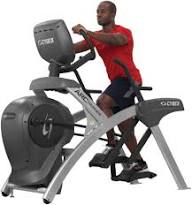
The arc trainer has become one of the most effective and versatile pieces of cardio equipment found in modern fitness centers. Designed to provide a low-impact workout while delivering impressive cardiovascular and muscular benefits, the arc trainer appeals to beginners, athletes, and individuals recovering from injuries alike. Unlike traditional treadmills, stationary bikes, or ellipticals, the arc trainer uses a unique arc-shaped motion that reduces stress on the joints while allowing users to engage multiple muscle groups simultaneously.
Many people struggle to find a form of exercise that is both challenging and gentle on the body. High-impact activities such as running can lead to discomfort in the knees, hips, and ankles, especially for individuals with existing joint issues or those carrying extra weight. The arc trainer addresses these concerns by offering a natural movement pattern that minimizes impact without sacrificing workout intensity.
Whether your goal is weight loss, cardiovascular improvement, muscle endurance, or overall fitness, understanding how to use an arc trainer effectively can help you maximize your results. This comprehensive guide explores everything you need to know about the arc trainer, including its benefits, workout strategies, muscle engagement, and tips for achieving your fitness goals.
What Is an Arc Trainer?
An arc trainer is a specialized cardiovascular exercise machine that combines features of an elliptical trainer, stair climber, and cross-country skiing machine. It is designed to create a smooth, continuous motion that follows an arc-shaped path rather than the circular movement typically found on standard ellipticals.
The unique design allows users to adjust their stride length and incline while maintaining a fluid motion. This flexibility makes the machine suitable for individuals of different fitness levels and body types. The pedals move in a way that reduces impact on the joints, making the arc trainer an attractive option for people who want a challenging workout without excessive strain on their knees, hips, and lower back.
One of the defining features of the arc trainer is its ability to engage both the upper and lower body simultaneously. Most models include movable handlebars that activate the arms, shoulders, chest, and back while the legs work through the arc motion. This full-body engagement increases calorie expenditure and enhances overall workout efficiency.
Because the machine allows users to vary resistance levels and incline settings, it can be adapted for everything from light recovery sessions to intense interval training. This versatility has made the arc trainer a favorite among personal trainers, rehabilitation specialists, and fitness enthusiasts seeking a highly effective cardio solution.
How the Arc Trainer Differs from Other Cardio Machines
Many people compare the arc trainer to treadmills, ellipticals, and stair climbers, but each machine provides a distinct exercise experience. Understanding these differences can help you determine why the arc trainer may be the ideal choice for your fitness routine.
Unlike a treadmill, which involves repetitive impact forces with every step, the arc trainer keeps the feet in constant contact with the pedals. This significantly reduces joint stress and lowers the risk of impact-related injuries. Individuals who experience discomfort while running often find the arc trainer to be a comfortable alternative.
Compared to a standard elliptical machine, the arc trainer offers greater flexibility in movement patterns. The adjustable incline and stride mechanics allow users to target different muscle groups more effectively. The arc-shaped motion can mimic climbing, hiking, running, or gliding depending on the settings selected.
When compared to a stair climber, the arc trainer provides a more balanced workout by incorporating both pushing and pulling movements. The adjustable handlebars also allow for greater upper-body involvement, resulting in a more comprehensive exercise session.
Another key advantage is energy efficiency. Because the arc trainer engages multiple muscle groups at once, users often burn a significant number of calories while experiencing less perceived exertion. This combination of effectiveness and comfort makes it a valuable addition to nearly any fitness program.
Major Benefits of Using an Arc Trainer
The popularity of the arc trainer stems from the wide range of benefits it offers. One of the most significant advantages is its ability to deliver a high-intensity cardiovascular workout with minimal joint impact. This makes it suitable for people of all ages, including older adults and individuals recovering from injuries.
Improved cardiovascular health is one of the primary benefits associated with regular arc trainer workouts. Consistent use strengthens the heart, improves circulation, and enhances lung capacity. Over time, these improvements can contribute to lower blood pressure and better overall health.
Another major benefit is calorie burning. Because the arc trainer activates both the upper and lower body, it requires more energy than many traditional cardio machines. Depending on workout intensity, users may burn hundreds of calories per session, supporting weight management and fat loss goals.
The arc trainer also promotes muscular endurance and strength. The resistance settings challenge the muscles of the legs, glutes, core, and upper body, helping users build functional fitness without relying solely on weight training.
Additionally, the machine offers excellent workout variety. Users can adjust resistance, incline, speed, and workout duration to prevent boredom and maintain consistent progress. This flexibility encourages long-term adherence to exercise routines, which is essential for achieving lasting results.
Muscles Worked During an Arc Trainer Workout
One of the reasons the arc trainer is so effective is its ability to engage multiple muscle groups simultaneously. Rather than isolating a single area of the body, the machine promotes coordinated movement that strengthens and conditions the entire body.
The lower body receives substantial activation during arc trainer workouts. The quadriceps work to extend the knees and propel the body forward, while the hamstrings contribute to leg movement and stability. The gluteal muscles are heavily engaged, especially when using higher incline settings or greater resistance levels.
The calves also play an important role in maintaining smooth pedal motion. Regular use can improve muscular endurance and contribute to stronger lower-leg muscles.
The core muscles work continuously to maintain posture and balance. Although the core may not be the primary focus, it remains engaged throughout the workout, helping improve stability and overall body control.
When using the movable handlebars, the upper body becomes actively involved as well. The chest, shoulders, biceps, triceps, and upper back muscles all contribute to pushing and pulling movements. This full-body engagement increases workout efficiency and helps create a more balanced fitness routine.
How the Arc Trainer Supports Weight Loss
Weight loss occurs when the body burns more calories than it consumes, and the arc trainer can play a valuable role in creating this calorie deficit. Its ability to engage multiple muscle groups and maintain elevated heart rates makes it an effective tool for burning calories and reducing body fat.
Many individuals appreciate the arc trainer because it allows them to sustain moderate to high exercise intensity without experiencing the discomfort often associated with running. This means users can often exercise longer and more consistently, leading to greater overall calorie expenditure.
High-intensity interval training (HIIT) is particularly effective on the arc trainer. By alternating periods of intense effort with recovery intervals, users can maximize calorie burn both during and after exercise. This phenomenon, known as excess post-exercise oxygen consumption (EPOC), allows the body to continue burning calories even after the workout ends.
Another advantage is muscle preservation. Because the arc trainer incorporates resistance and engages multiple muscle groups, it can help maintain lean muscle mass during weight loss efforts. Preserving muscle is important because it supports metabolism and contributes to long-term weight management success.
When combined with proper nutrition and a consistent exercise schedule, the arc trainer can become a powerful component of an effective weight loss strategy.
Best Arc Trainer Workouts for Different Fitness Goals
The versatility of the arc trainer allows users to customize workouts based on specific fitness objectives. Whether the goal is endurance, fat loss, athletic performance, or general health, there are workout approaches that can help achieve desired outcomes.
For beginners, a steady-state workout is often the best starting point. Exercising at a moderate intensity for 20 to 30 minutes allows the body to adapt gradually while building cardiovascular fitness. As endurance improves, workout duration and resistance can be increased.
Individuals focused on weight loss may benefit from interval training. For example, alternating one minute of high-intensity effort with two minutes of moderate recovery can significantly increase calorie expenditure while improving cardiovascular conditioning.
Athletes often use the arc trainer for cross-training purposes. Resistance-based workouts that simulate hill climbing can strengthen the lower body and improve muscular endurance without excessive impact on the joints.
Those seeking improved cardiovascular endurance can perform longer sessions at a steady pace. Maintaining a challenging but sustainable intensity for 45 to 60 minutes can enhance aerobic capacity and overall stamina.
The ability to continually adjust settings ensures that users can progress over time and avoid performance plateaus.
Proper Technique for Using an Arc Trainer Effectively
Using proper technique on the arc trainer is essential for maximizing benefits and minimizing the risk of injury. Although the machine is user-friendly, maintaining correct form can significantly improve workout quality.
Begin by adjusting the machine settings to match your fitness level. Select a resistance level that feels challenging but manageable. If the resistance is too high initially, it may compromise form and reduce workout efficiency.
Maintain an upright posture throughout the exercise session. Keep the shoulders relaxed, chest lifted, and eyes facing forward. Avoid leaning heavily on the handlebars, as this can reduce lower-body engagement and place unnecessary stress on the upper body.
Engage the core muscles to support spinal alignment and improve stability. A strong core helps maintain proper posture and allows for more efficient movement patterns.
When using the handlebars, coordinate arm and leg movements smoothly. Push and pull evenly rather than relying solely on one side of the body. This balanced motion increases calorie burn and promotes muscular symmetry.
Finally, focus on controlled, consistent movement rather than excessive speed. Quality movement patterns are more effective and sustainable than rushing through the workout with poor technique.
Common Mistakes to Avoid on the Arc Trainer
Despite its simplicity, several common mistakes can reduce the effectiveness of an arc trainer workout. Being aware of these errors can help users achieve better results and prevent discomfort.
One frequent mistake is using resistance levels that are too low. While the workout may feel easier, insufficient resistance limits muscle engagement and reduces calorie expenditure. Gradually increasing resistance can provide a more productive exercise session.
Another mistake is relying too heavily on the handlebars for support. Leaning forward shifts workload away from the lower body and decreases overall workout intensity. The handlebars should assist movement rather than support body weight.
Poor posture is another issue. Rounded shoulders, slouched backs, and downward head positions can contribute to discomfort and reduce exercise efficiency. Maintaining proper alignment throughout the workout helps ensure optimal performance.
Many users also fall into the habit of repeating the same routine every session. Lack of variety can lead to adaptation and slower progress. Incorporating different resistance levels, intervals, and workout durations can keep the body challenged and responsive.
Skipping warm-ups and cool-downs is another common oversight. Preparing the body before exercise and allowing it to recover afterward can improve performance and reduce the likelihood of injury.
Integrating the Arc Trainer into Your Fitness Routine
The arc trainer can serve multiple purposes within a well-rounded fitness program. Depending on individual goals, it can be used as a primary cardio workout, a warm-up tool, a recovery exercise, or a cross-training option.
For those focused on general health and fitness, using the arc trainer three to five times per week can provide substantial cardiovascular benefits. Sessions ranging from 20 to 45 minutes are often sufficient to support overall wellness.
Strength-training enthusiasts can use the arc trainer as a low-impact cardio supplement. Performing short sessions before or after resistance training can improve cardiovascular health without interfering with muscle recovery.
Athletes may incorporate arc trainer workouts during recovery periods when high-impact activities need to be reduced. The machine allows them to maintain conditioning while minimizing stress on the joints and connective tissues.
Individuals recovering from injuries often find the arc trainer particularly valuable because of its smooth, controlled movement pattern. However, anyone returning from injury should consult a qualified healthcare professional before beginning a new exercise program.
By integrating the arc trainer strategically, users can enjoy its benefits while supporting broader fitness objectives.
Conclusion
The arc trainer stands out as one of the most effective and versatile cardiovascular machines available today. Its innovative arc-shaped motion provides a unique combination of low-impact exercise, full-body engagement, and customizable intensity levels. Whether your goal is weight loss, improved cardiovascular health, enhanced endurance, or reduced joint stress, the arc trainer offers a practical and efficient solution.
Unlike many traditional cardio machines, the arc trainer allows users to challenge themselves without exposing their joints to excessive impact. This makes it suitable for beginners, experienced athletes, older adults, and individuals recovering from injuries. The ability to adjust resistance, incline, and workout style further enhances its versatility and long-term value.
By understanding proper technique, avoiding common mistakes, and incorporating varied workout strategies, you can maximize the benefits of the arc trainer and achieve meaningful fitness results. Consistent use, combined with healthy nutrition and an active lifestyle, can help improve overall health, increase calorie burn, and support long-term fitness success.
Whether you are stepping onto an arc trainer for the first time or looking to enhance your existing routine, this powerful machine can become a valuable tool in your journey toward better health and performance.