

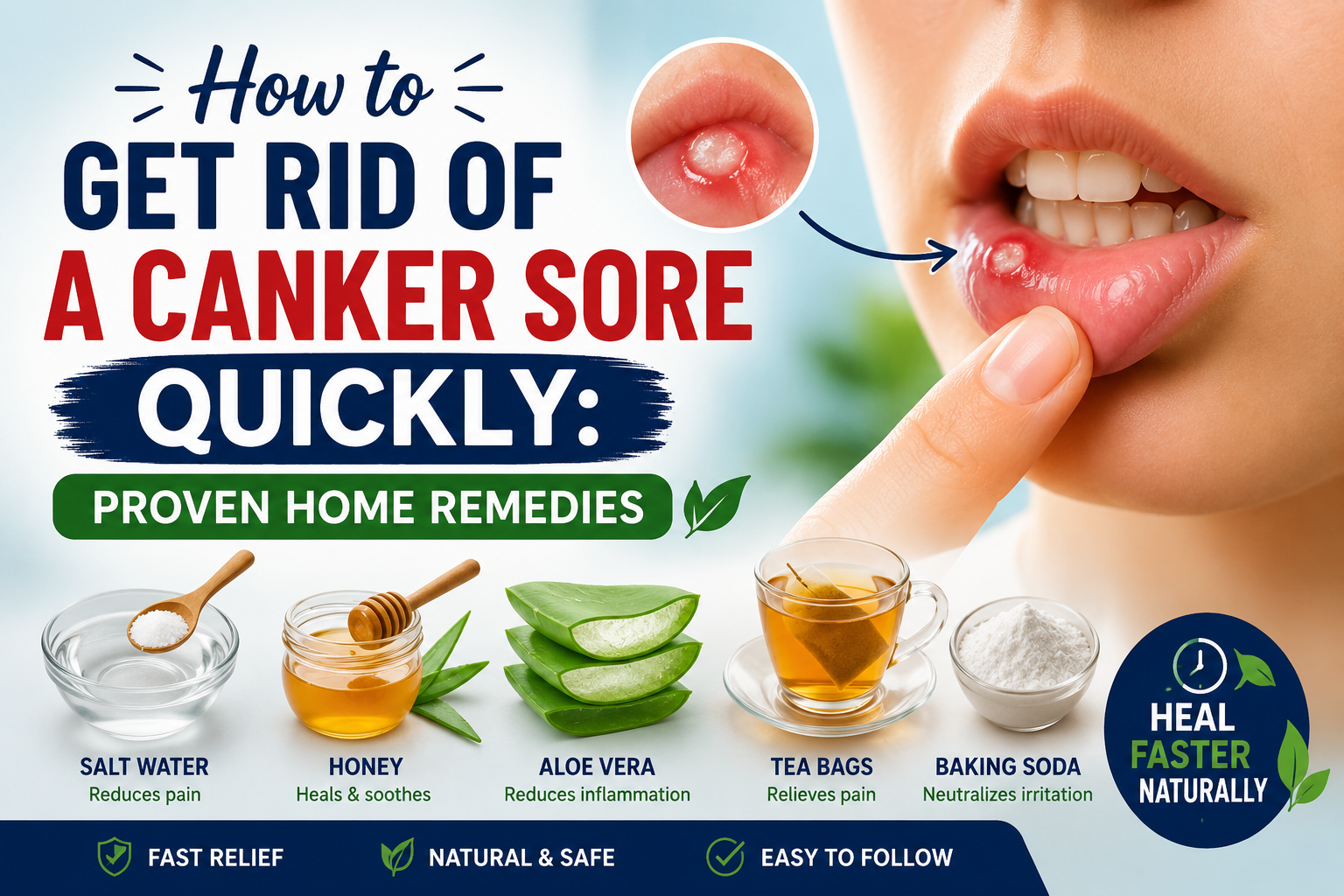
Canker sores, medically known as aphthous ulcers, are small, painful lesions that appear inside the mouth, often on the inner cheeks, lips, or tongue. While they are not contagious, canker sores can make eating, drinking, and speaking uncomfortable. Understanding how to get rid of a canker sore efficiently is essential for anyone who experiences them frequently. In this article, we will explore proven remedies, causes, and prevention strategies that can help you find relief fast.
What Is a Canker Sore?
A canker sore is a shallow, round ulcer with a white or yellow center and a red border. Unlike cold sores caused by the herpes virus, canker sores are not contagious. They often result from stress, minor mouth injuries, certain foods, or nutritional deficiencies. Most canker sores heal naturally within 1–2 weeks, but the pain and discomfort they cause can affect daily life.
Understanding the nature of canker sores is the first step toward knowing how to get rid of a canker sore effectively. They can be classified into three types: minor, major, and herpetiform. Minor canker sores are small and heal quickly, while major ones are larger, more painful, and may take longer to heal. Herpetiform ulcers are clusters of tiny sores that can be particularly irritating.
Common Causes of Canker Sores
Several factors can trigger the development of canker sores:
- Injury to the mouth: Accidental biting, aggressive brushing, or dental procedures can lead to sores.
- Stress and hormonal changes: Emotional stress and hormonal fluctuations are linked to increased occurrence.
- Food triggers: Certain acidic, spicy, or salty foods can irritate the mouth and contribute to sores.
- Nutritional deficiencies: Lack of vitamins such as B12, folic acid, and iron may increase susceptibility.
- Medical conditions: Diseases like celiac disease, Crohn’s disease, and immune system disorders can make individuals prone to canker sores.
Identifying the underlying cause is important to effectively manage symptoms and prevent recurrence.
Symptoms to Identify a Canker Sore
Recognizing the signs of a canker sore helps determine the right treatment. Common symptoms include:
- A painful, round or oval sore inside the mouth
- White, yellow, or grayish center with a red border
- Tingling or burning sensation before the sore appears
- Discomfort while eating, drinking, or speaking
While minor canker sores usually heal on their own, persistent, unusually large, or recurring sores may require professional attention. Knowing these symptoms helps you decide when to treat at home and when to consult a dentist or doctor.
Over-the-Counter Treatments for Quick Relief
There are several OTC treatments that can help reduce pain and speed up healing:
- Topical pastes and gels: Products containing benzocaine or hydrogen peroxide can numb the sore and protect it from irritation.
- Antimicrobial mouthwashes: Rinsing with an antiseptic solution reduces bacterial growth and prevents infection.
- Pain-relief medications: Ibuprofen or acetaminophen can reduce pain and inflammation, providing temporary relief.
These treatments are useful for managing discomfort while natural healing occurs. They are especially helpful for larger sores that make eating and speaking difficult.
Natural Home Remedies for Canker Sores
For those looking for natural approaches, several home remedies are effective in reducing pain and promoting healing:
- Saltwater rinse: Dissolve a teaspoon of salt in a cup of warm water and rinse your mouth. This can help disinfect the sore and reduce inflammation.
- Baking soda paste: Mixing baking soda with water to form a paste and applying it to the sore neutralizes acids and accelerates healing.
- Honey: Known for its antibacterial and anti-inflammatory properties, honey can soothe irritation and reduce discomfort.
- Aloe vera: Applying aloe vera gel directly to the sore can reduce pain and speed up the healing process.
- Coconut oil: With its antimicrobial properties, coconut oil can reduce bacterial activity in the mouth and protect the sore.
These remedies are safe, cost-effective, and can be repeated several times a day for faster relief.
Dietary Adjustments to Aid Healing
What you eat can impact the severity and healing time of canker sores. Consider the following dietary tips:
- Avoid acidic foods like citrus fruits, tomatoes, and vinegar-based products, which can irritate the sore.
- Limit spicy or salty foods that may worsen pain.
- Increase intake of soft, bland foods like yogurt, oatmeal, or mashed potatoes.
- Ensure adequate intake of vitamins, especially B12, iron, and folate, which support oral health.
Following these dietary adjustments helps reduce irritation and supports the body’s natural healing process.
When to See a Doctor
While most canker sores heal on their own, certain signs indicate the need for medical attention:
- Large sores that do not heal within two weeks
- Severe pain or difficulty eating and drinking
- Frequent recurrence of canker sores
- Signs of infection, such as fever, swelling, or pus
In these cases, a doctor may prescribe stronger topical medications, oral corticosteroids, or other therapies to manage symptoms effectively.
Preventing Canker Sores in the Future
Preventing canker sores involves both lifestyle and oral care adjustments:
- Maintain good oral hygiene: Brush gently, floss regularly, and avoid mouth injuries.
- Reduce stress: Practice relaxation techniques such as yoga or meditation.
- Avoid trigger foods: Identify and limit foods that irritate your mouth.
- Ensure proper nutrition: Adequate intake of vitamins and minerals supports oral health.
- Use protective dental products: Consider soft-bristled toothbrushes and non-irritating toothpaste.
By adopting these habits, you can minimize the occurrence of canker sores and improve oral comfort.
Healing Timeline and Recovery Tips
Typically, minor canker sores heal within 7–14 days. Recovery can be faster with proper care:
- Keep the sore clean by rinsing your mouth regularly
- Avoid irritating the area with sharp foods or hard brushing
- Stay hydrated to maintain overall oral health
- Apply soothing remedies like honey or aloe vera multiple times a day
Understanding the healing process helps manage expectations and ensures consistent care for faster relief.
Conclusion: Fast Relief and Lasting Comfort
Knowing how to get rid of a canker sore involves a combination of OTC treatments, natural remedies, dietary adjustments, and preventive strategies. By taking a proactive approach, you can reduce pain, speed up healing, and minimize recurrence. Most importantly, pay attention to your body’s signals and consult a medical professional for severe or persistent sores. With the right care, canker sores can be managed effectively, allowing you to enjoy eating, speaking, and daily life without discomfort.
FAQs About Canker Sores
1. Can canker sores be contagious?
No, canker sores are not contagious. They occur due to internal factors, not viruses like cold sores.
2. How long does it take for a canker sore to heal?
Most minor canker sores heal within 7–14 days. Major sores may take several weeks.
3. Can stress cause canker sores?
Yes, stress is a common trigger that can increase the frequency of canker sores.
4. Are there foods to avoid with canker sores?
Avoid acidic, spicy, and salty foods that can irritate the mouth.
5. When should I see a doctor for a canker sore?
If sores are unusually large, extremely painful, recurrent, or show signs of infection, consult a healthcare professional.
6. Can vitamins help prevent canker sores?
Yes, deficiencies in B12, iron, and folate can increase susceptibility, so maintaining proper nutrition can help prevent sores.