

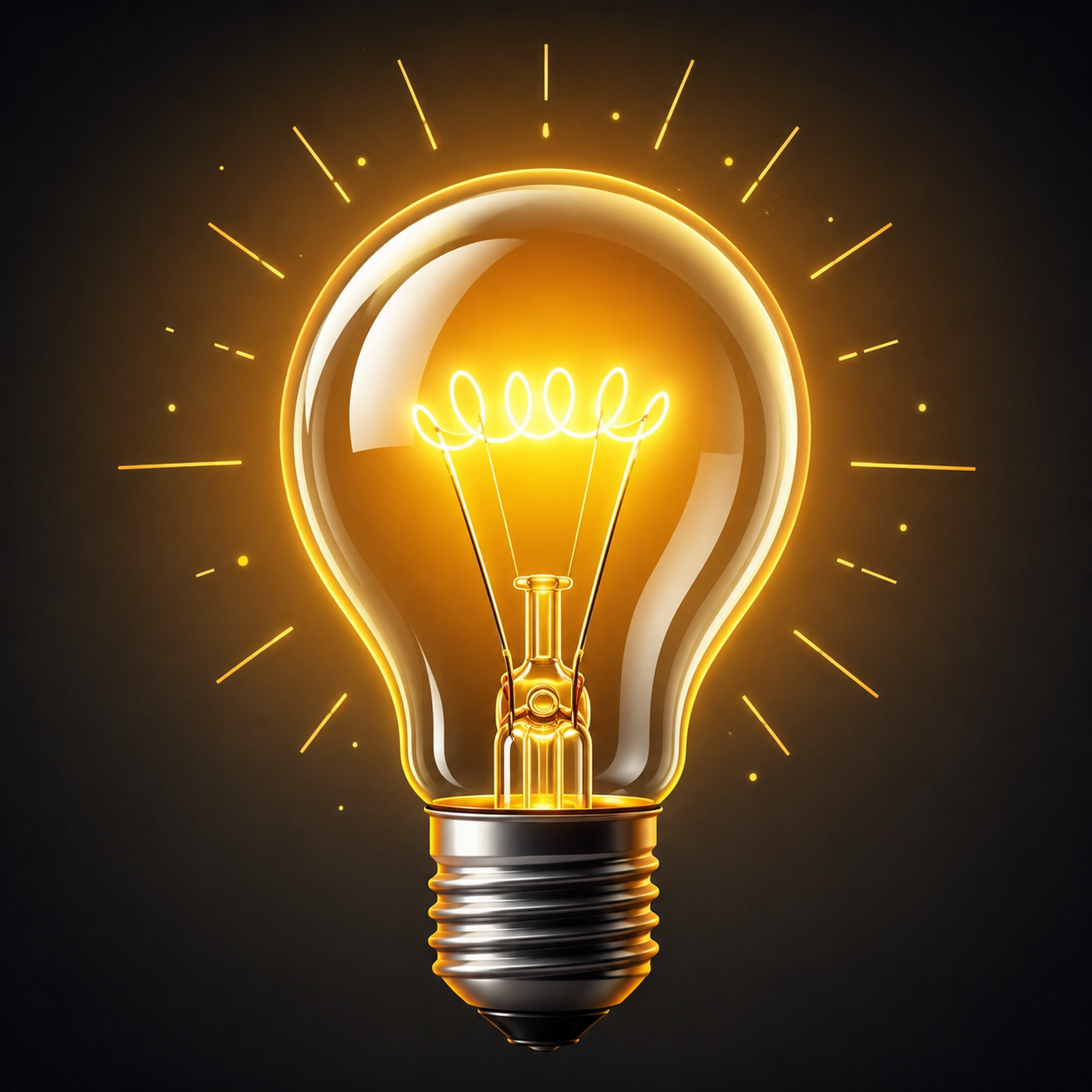
The humble light bulb has inspired artists for decades, symbolizing creativity, innovation, and ideas. Drawing a light bulb might seem simple at first, but capturing its shape, reflections, and realistic details requires attention and practice. This guide will take you from basic sketches to fully realistic art, breaking down techniques, tips, and step-by-step instructions suitable for beginners and advanced artists alike.
Understanding the Structure of a Light Bulb
Before picking up a pencil, it’s crucial to understand the anatomy of a light bulb. A typical bulb consists of several parts: the glass envelope, filament, base, and screw threads. Recognizing these components helps you recreate accurate proportions. The glass is usually rounded or slightly elongated, the filament is delicate and often curved, and the metallic base provides contrast with the transparent bulb. Studying reference images of light bulbs allows you to identify unique shapes and subtle curves, which is essential for both cartoonish and realistic drawings.
Materials Needed for Light Bulb Drawing
Creating a realistic light bulb drawing requires the right materials. For sketching, start with a range of pencils from HB to 6B for soft shading. Use erasers for highlights, and blending tools like tortillons or cotton swabs to smooth transitions. High-quality paper with some texture allows for better pencil control. Colored pencils or markers can add life to your drawing if you intend to illustrate the glowing effect. For digital artists, software like Procreate or Photoshop offers brushes that mimic graphite, making it easier to achieve realistic reflections and subtle gradients.
Basic Light Bulb Sketching Techniques
Begin with a light outline to establish proportions. Start by drawing a simple oval for the glass envelope, then a slightly narrower neck leading to the screw base. Keep your lines faint to allow adjustments. Once the overall shape is correct, sketch the filament inside, often as a zig-zag or spiral line. Remember, the base usually features parallel grooves that wrap around it, which can be suggested with soft lines at this stage. Focus on symmetry and balance, as even minor misalignments can make the drawing appear unrealistic.
Adding Realistic Details
After your basic sketch, it’s time to add details that bring your light bulb to life. Notice the metallic texture of the base, the tiny filaments inside, and the reflective properties of the glass. Use cross-hatching or soft shading techniques to simulate metal, while leaving highlights unshaded to imitate light reflections. For the filament, add small supports and curves. Glass reflections are key—they give the bulb depth. Study real bulbs under different light conditions and mimic subtle highlights, glows, and reflections on the glass surface to enhance realism.
Mastering Light and Shadow
Shading is crucial for a convincing light bulb drawing. Identify your light source first; this determines where shadows fall and where highlights appear. The glass surface typically reflects bright spots, while the base casts soft shadows. Use gradual transitions between dark and light areas to avoid harsh contrasts unless aiming for a stylized effect. Blending tools are essential to smooth graphite or colored pencil layers. Additionally, consider reflective surfaces nearby—these can subtly affect highlights and shadows, adding realism and depth to your drawing.
Creating a Glowing Effect
One of the most captivating aspects of a light bulb drawing is making it appear as if it is glowing. To achieve this, use a combination of soft shading and eraser highlights. Gradually darken areas surrounding the bulb while keeping the central area bright. For colored pencils, yellow or warm white tones can simulate light, with soft blending outward to indicate glow. Digital artists can use layer effects like “Overlay” or “Soft Light” to create realistic illumination. This effect can transform a static drawing into a dynamic and visually striking illustration.
Step-by-Step Cartoon Light Bulb Drawing
Not all light bulb drawings need to be realistic; cartoonish or stylized versions are fun and expressive. Start with a simplified oval for the glass and a rectangle or trapezoid for the base. Exaggerate proportions, like a larger glass envelope or a quirky filament. Clean outlines with ink or bold lines make the drawing pop. Adding cartoon-style highlights and exaggerated reflections can enhance its charm. Cartoon light bulbs are perfect for illustrations, comics, and educational materials where clarity and creativity matter more than photorealism.
Common Mistakes to Avoid
Even experienced artists make mistakes when drawing light bulbs. One common error is incorrect proportions—making the glass too tall or the base too small disrupts realism. Over-shading the glass can flatten the drawing, while neglecting filament details can leave it looking incomplete. Another issue is ignoring reflections; without them, the bulb appears dull. Lastly, inconsistent light sources can confuse the eye. Always study reference images and double-check proportions, shadows, and highlights before finalizing your artwork.
Advanced Tips for Realistic Light Bulb Art
For artists looking to elevate their drawings, consider advanced techniques. Experiment with soft gradients to mimic the subtle curvature of the glass. Use erasers to pull out sharp highlights for reflective surfaces. Layer multiple graphite or colored pencil shades for depth and realism. For digital artists, explore blending modes, opacity adjustments, and glow filters. Additionally, study how light interacts with different bulb types—LEDs, filaments, frosted glass—and incorporate these nuances to create a drawing that is not only accurate but visually compelling.
Practicing and Experimenting
The key to mastering light bulb drawing is practice and experimentation. Try drawing bulbs under different lighting conditions, angles, and with varied filaments. Combine realistic and cartoonish elements for creative projects. Experimenting with color, glow effects, and textures will enhance your versatility as an artist. Over time, your drawings will evolve from simple sketches to highly detailed, realistic representations. Remember, every attempt teaches you more about light, reflection, and the subtle forms that make a light bulb appear three-dimensional and captivating.
Conclusion
Drawing a light bulb is more than replicating a shape—it’s about understanding form, light, and detail. From simple sketches to realistic art, each step involves observation, patience, and practice. Whether you aim for photorealism or cartoonish charm, mastering these techniques allows your light bulb drawings to shine both on paper and digitally. With dedication and creativity, even a simple bulb can illuminate your artistic journey.